






We live in the unceded territory of the Mi’kmaq people


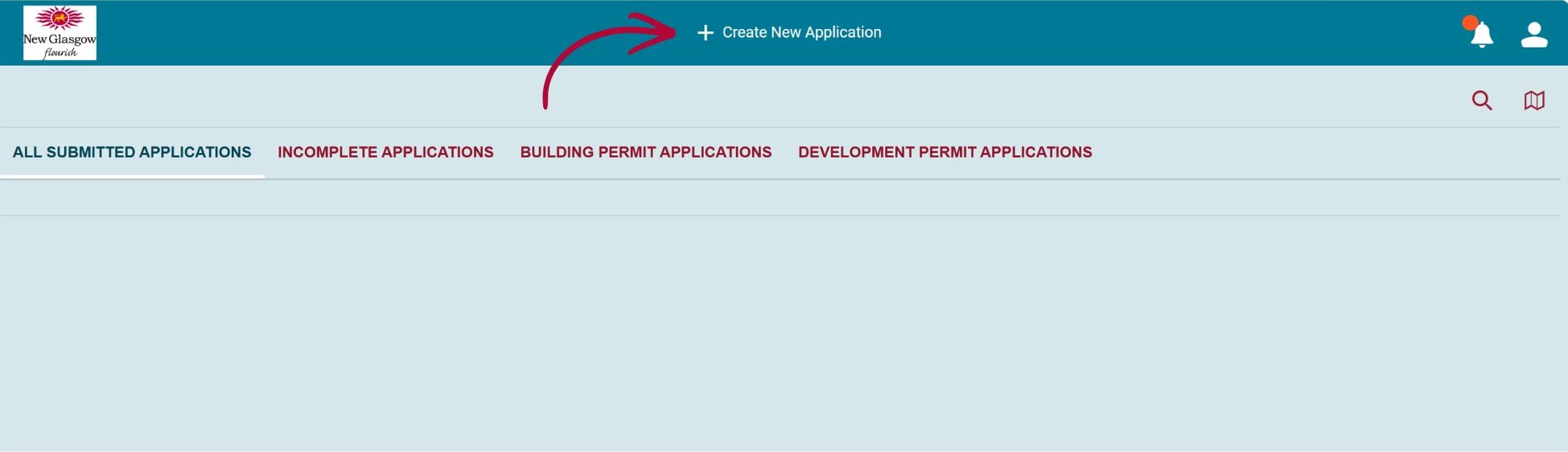

After signing in, select Create New Application and choose whether your project requires a Development Permit or a Building Permit.
A development permit confirms your project meets zoning rules.
A building permit confirms your construction meets safety and Building Code requirements.
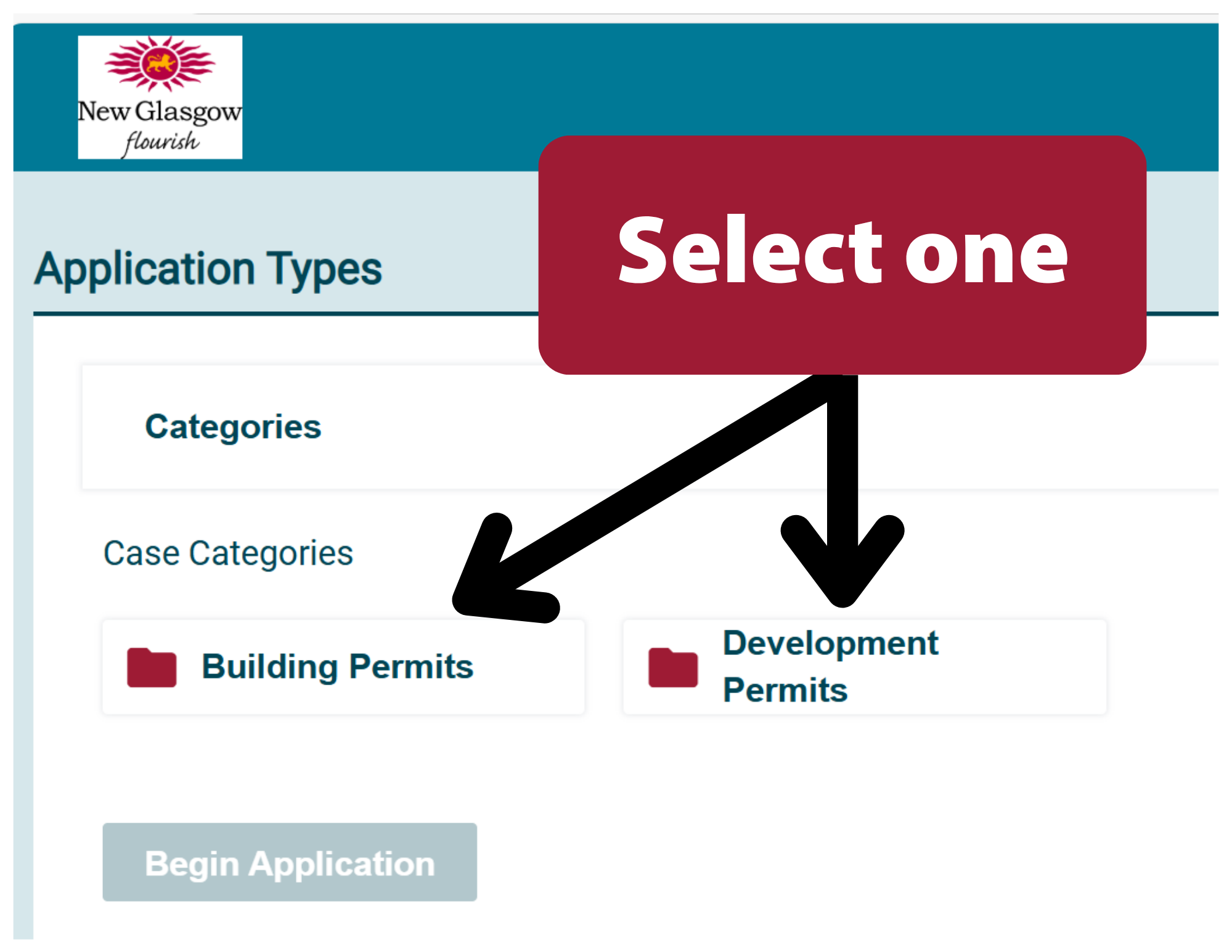
Select the permit type when starting your application
Development Permit
A development permit is generally required for projects where no building construction or structural changes are proposed, but approval under the Town’s Land Use Bylaw is needed.
You may need a development permit if you are:
- installing signage
- changing how a building is used without structural changes
- creating or expanding a parking area
- completing certain types of site development
- constructing an accessory structure such as a shed, garage, or pool house
- building a deck
- installing a swimming pool
Development permits ensure projects follow the Town’s Land Use Bylaw. Some projects require both a development permit and a building permit.
Building Permit
A building permit is generally required for projects involving construction or structural changes and confirms compliance with the Nova Scotia Building Code.
You may need a building permit if you are:
- building a new home, garage, or structure
- constructing an addition
- building or enclosing a deck
- installing a swimming pool deeper than 24 inches
- demolishing a building or part of a building
- making structural repairs or renovations
- relocating a building
- changing how a building is used
Building permits help ensure construction meets Building Code requirements and safety standards. Some projects also require a development permit.
When Both Permits Are Required
Some projects require both a development permit and a building permit.
If your project involves constructing a structure or making structural changes and must meet zoning or Land Use Bylaw requirements (such as setbacks, permitted uses, or lot coverage), you will need to submit both applications through the Online Service Portal.
Common examples include:
- building a new house or commercial building
- constructing an addition to an existing building
- building a garage, shed, or other accessory structure
- constructing a deck
- installing a swimming pool
- relocating a structure onto a property
- changing how a building is used (for example, adding dwelling units or converting a space for business use)
In most cases, the development permit is reviewed first, followed by the building permit.
If you are unsure whether your project requires one or both permits, please contact Kaila Reid, P.Eng & Development Officer, at
The documents required depend on your project type.
Required:
- Building Plan: Drawings that show the layout and construction details of the building (for example: floor plans, elevations, foundation details, or structural information).
- Central Services Form: A drawing that shows the location of buildings on your property, including setbacks from lot lines, driveways, parking areas, and service connections. This form may be required if connecting to municipal water or sewer.
- Development Permit: Some projects require development permit approval before a building permit can be issued. Supporting information may be required to confirm the project meets zoning requirements.
You may be asked to submit:
- a site plan
- construction drawings
- building elevations
- floor plans
- project description
- construction cost estimate
- engineered drawings (if required)
- water and sewer connection information (if applicable)
A site plan typically shows:
- property boundaries
- location of existing buildings
- location of proposed construction
- setbacks from property lines
Providing complete information helps avoid delays in processing your application.
For a full list of upload requirements, see Step 7: Upload Required Documents.
If you require further assistance, please contact Kaila Reid, P.Eng & Development Officer, at